

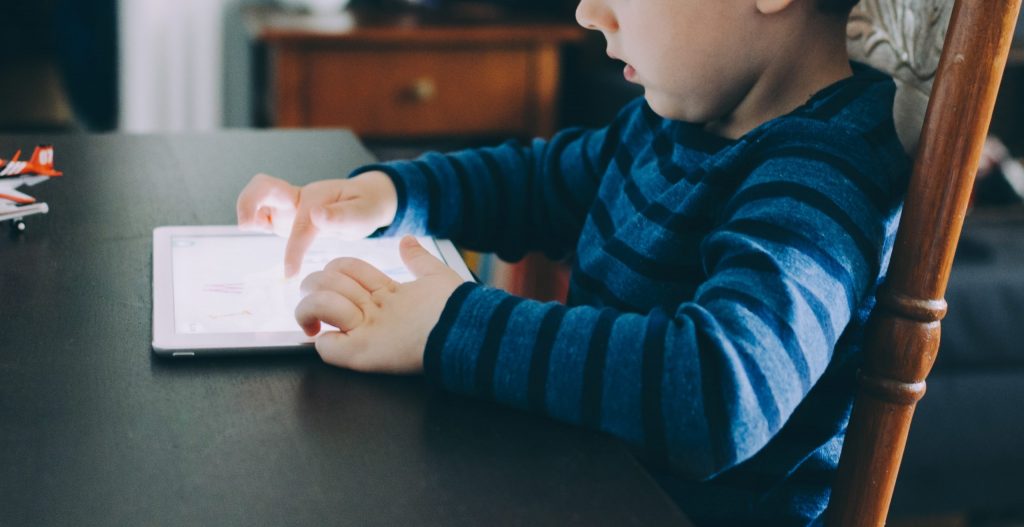
During the school holidays, keeping the kids entertained for six (or more!) weeks can feel like a full-time job. Naturally, technology plays a role during this stretch. Whether it’s a film day, using tablets to give siblings some breathing room, or simply giving mum or dad a short break to cook, tidy up, or enjoy a quiet cup of tea – screens can be a real lifesaver in these moments.
However, there’s been growing discussion in recent years about screen time and how it can interfere with children’s sleep. Although more recent research indicates that blue light might not be universally disruptive for older children and adults (and could even be part of a relaxing bedtime routine), our guidance for younger children remains consistent. We suggest turning off screens at least an hour before bedtime – they are incredibly stimulating for children which can make it difficult for them to be able to ‘switch off’.
Here are some other points to consider when it comes to screens:
Does blue light impact sleep?
Recent insights challenge common beliefs about screen use before bed, revealing a gap between scientific evidence and media-driven myths. While early studies, like Harvard’s widely cited ‘blue light’ research, raised alarms, more recent findings show that nighttime screen use typically delays sleep onset by just 5 – 16 minutes – well within the normal range of up to 30 minutes for teens and adults. Importantly, it’s not screen use itself but going to bed later than usual that affects sleep. Regular daylight exposure during the day also significantly offsets any potential negative effects from screens at night, highlighting the need for balanced, evidence-based guidance.
Early rising and body clock disruptions:
Many parents we work with mention their children waking earlier and earlier – often motivated by the desire to access technology. It’s common for all of us to be more alert in the early morning hours (between 4-5am) as melatonin levels drop and our sensitivity to environmental changes increases. If your child is excited to get their hands on a screen, they might start waking at these early hours, gradually shifting their sleep rhythm.
Can screens disturb sleep cycles?
For older children who keep devices in their bedrooms, notifications can disturb their rest. Depending on age, children cycle through sleep phases every 45 to 110 minutes. If these cycles are repeatedly interrupted by alerts or messages, your child may not be getting the deep, restorative sleep they need – leading to tiredness throughout the day.
Night time waking and nightmares:
Young children often have vivid imaginations, and the content they consume – even during the day – can influence their dreams. Children under 10 can struggle to separate fantasy from reality, making them more prone to nightmares triggered by what they’ve seen on screens.
What can parents do to reduce screen-related sleep problems – while still appreciating the benefits of technology?
- Aim for screen-free time at least one hour (ideally two) before bed: The fast-paced nature of most screen content overstimulates the brain. Instead, opt for calming activities like drawing, puzzles, reading, or crafts.
- Make bedrooms screen-free zones at night: Consider charging devices overnight in a separate, supervised area to prevent disruptions (it can also really help your child’s mental health so perhaps make bedrooms phone free zones)!
- Remember, screens can be useful tools – especially during long school breaks:The key is balance and setting clear boundaries.
And if you’re facing sleep struggles with your little one, feel free to reach out for a free 15-minute call. We’re here to help!